

Kick-starting the Nairobi 3D-printing ecosystem
Recycling has never been more mainstream, as a new initiative in Kenya recycles plastic waste for use in 3D printers.
About the Project
TechforTrade recently developed the world’s first open source system for recycling plastic bottles into the filament used in 3D printing.
A global analysis* revealed that:
billion metric tonnes
– which is; all plastic manufactured (as of 2017), becomes rubbish in less than a year, while:
%
Plastic waste ends up in the natural environment
Increasing potential risk of harm to sea life and/or waste left to rot in landfill for centuries.
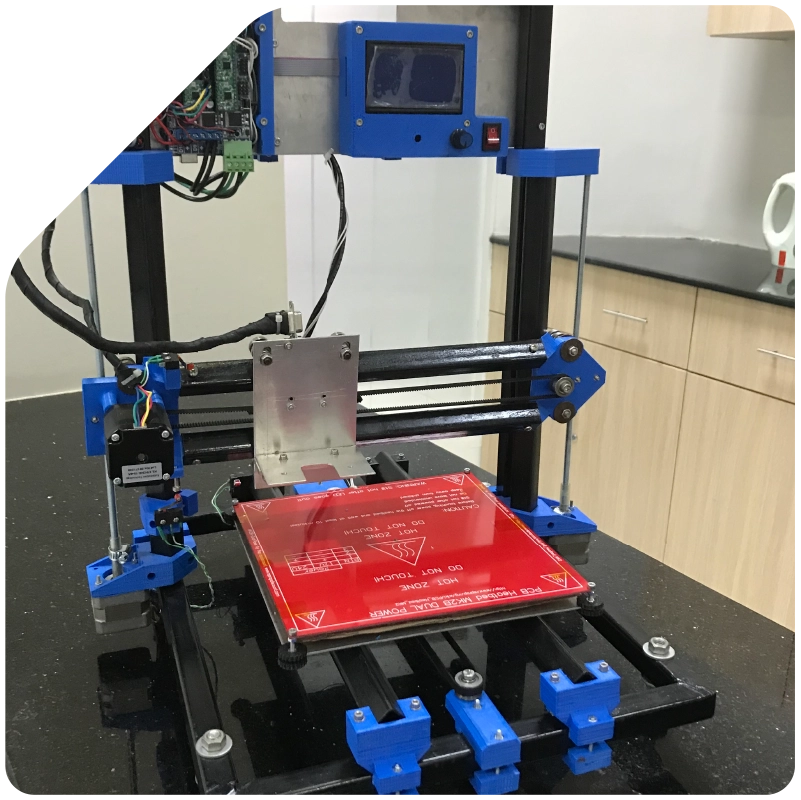
The “Retr3D” printer is the first – and thus far only – fully open source 3D printer built in Africa.
About Nairobi 3D Printing - Tech4Trade
Essentially, a process that takes something like this, a discarded plastic bottle, and turns it into this, a 3D printing filament made from recycled plastic waste. We now have a working prototype of the end-to-end system established at our workshop in Nairobi, and we have designed all of the equipment and machines needed for this process to work on an open hardware basis, in other words, under open-source licence. Most recently, we have been trialling this end-to-end process to take recycled plastic bottles and the filament that they produce, and to print products that can be used in a local community setting.
Last year, we ran a trial in 12 Nairobi schools, which we supplied with around 50 science teaching microscopes. This is an early prototype of the microscope. It plugs into the USB into a screen or into a laptop, and these microscopes were used for science teaching.
The feedback we had was absolutely tremendous, and we can produce a microscope like this and sell it commercially for around $20 to $25. We’ve also been working with a couple of small donors, in Nairobi very recently, to fabricate PPE equipment, things like visors and respirators, for use in the fight against COVID-19. We think that the prototype system we’ve built is now at a stage where we can start considering how we replicate it in other countries.
We’re currently working with two UK universities, Aston and Leicester de Montfort, to improve all of the build instructions and videos required by a third party to enable them to replicate what we’ve done in Nairobi. We’re going to be testing that material later this year with two partners, one in Lagos, a group called STEM Cafe, and another in Kigali in Rwanda, a group called Digital Hub. By the end of the year, having completed that process, we think we will be ready to work with another commercial partner, and we’re hoping that with the help of Sophie, we can find that partner in South Africa and come up with a partnership that works for both of us and can maximise the potential for social impact and sustainable business growth that we think this technology can offer.
Thanks very much.
The Challenges
Getting the right waste plastic to convert into filament for use in the 3D printers is less straightforward. PET is the polymer we’ve identified that produces the best quality prints.
ABS plastic is often treated with things like flame retardants. That means toxic fumes. PLA is good, but there’s not a significant amount of it in Kenya.
We now have agreements in place with restaurants around Nairobi to use their PET bottles.
The 3D printers are recyclable too: the “Retr3D” printer is the first – and thus far only – fully open source 3D printer built in Africa.
(The printer is constructed from e-waste, 3D printed components and parts easily available in developing countries.)
Collaborators




Nairobi students with the 3D Printed microscope

Bottle and Filament Gear

The “Retr3D” printer is the first – and thus far only – fully open source 3D printer built in Africa

Nairobi students using the microscope

Filament Extruder and water bath
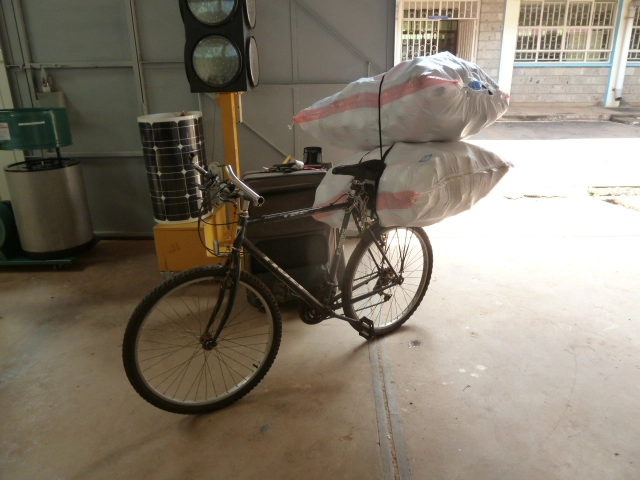
Bike collecting Nairobi waste plastic

Recyclable Retr3D printer made from collected e-waste and parts easily accessible in developing countries
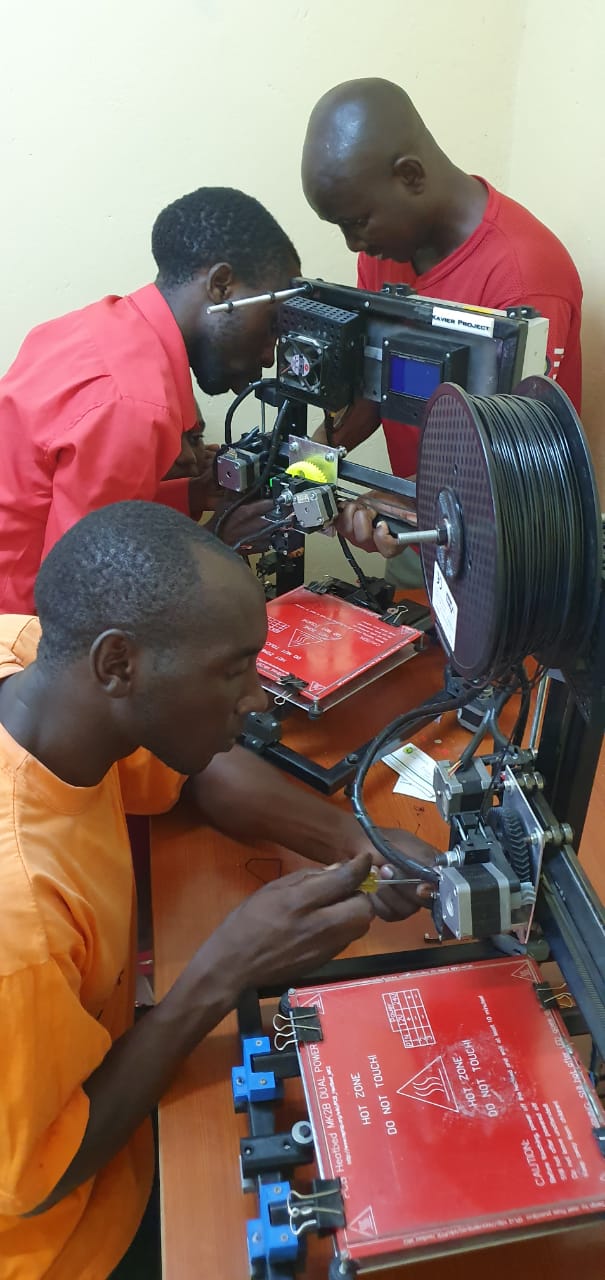
Building 3D printers – assembly work
Press coverage

Meet the Digital Blacksmiths : Forging Futures on a 3D Anvil
Tech Monitor, Mar 19, 2018
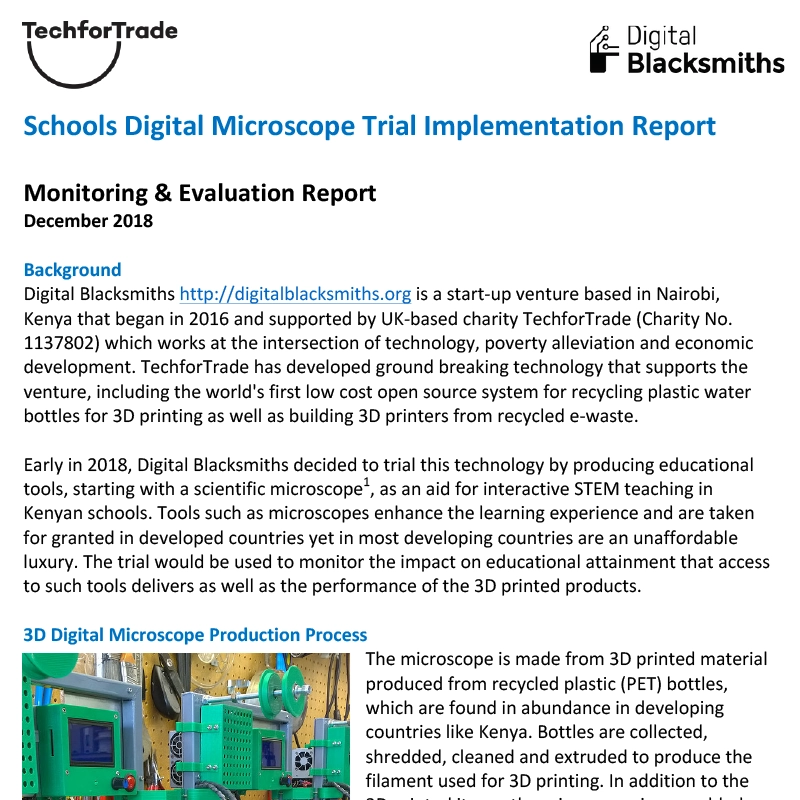
Schools Digital Microscope Trial Implementation Report
Digital Blacksmiths, Dec, 2018
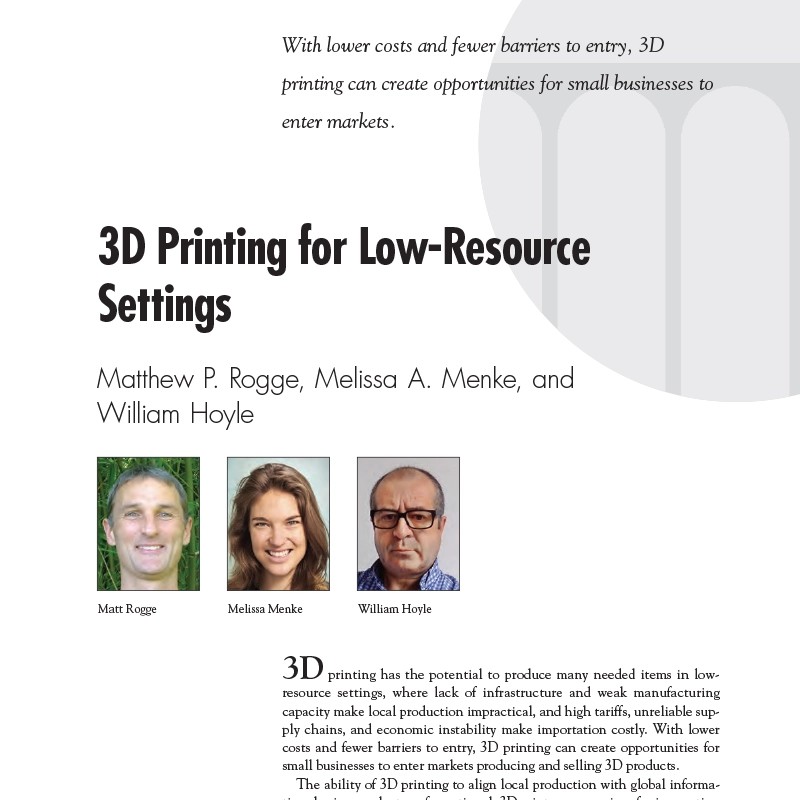
3D Printing for Low-Resource Settings
The Bridge, Journal of US Academy of Engineering, Fall, 2017

A Rubbish Innovation – Will 3D printing change our lives?
Precision Air, Nov, 2015 – Jan 2016

Digital Blacksmiths Network
HackSpace

Digital Blacksmiths Network – Changing the future of manufacturing in the developing world
HackSpace Magazine Feature, 2018
*https://advances.sciencemag.org/content/3/7/e1700782.full

About TechforTrade
TechforTrade’s CEO William Hoyle from 2011 to 2022 worked to alleviate poverty through the marriage of technology and entrepreneurship.
TechforTrade is the largest project funded by Tech4All to date – its mission is to improve the incomes and livelihoods of small producers in some of the poorest world economies, by increasing opportunities to trade and to reduce the cost of production. Its approach is to act as a catalyst for technology enabled trading, supporting national and international market access for small producers.
Based in London but with impact in communities around the globe techfortrade delivered a number of projects including using 3D printing, microfinance as well as mobile payments and information.
TechforTrade focused on bridging the divide between emerging technologies and international trade and economic development.
< BACK TO PROJECTS